How the Right Equipment Financing Strategy Fuels Business Growth
Every business that depends on physical tools, machinery, or technology to operate eventually faces the same challenge: the equipment needed to grow is expensive, and paying for it outright is not always the smartest use of available capital. How you finance that equipment matters just as much as the equipment itself, and the right strategy can mean the difference between steady growth and unnecessary financial strain.
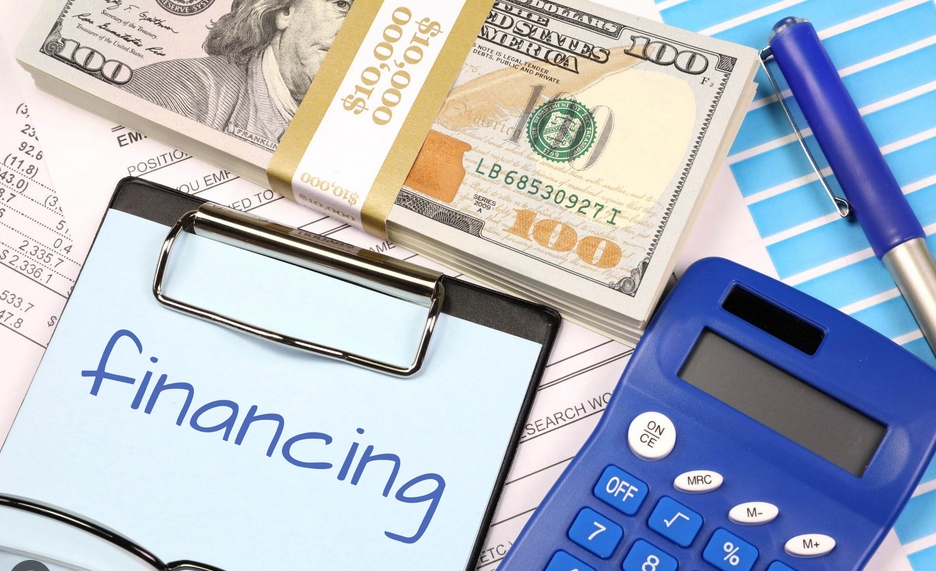
Getting the Most Out of Every Equipment Investment
Buying equipment is rarely just a purchase. It is a long-term commitment that affects your cash flow, tax position, and operational capacity for years to come. Business owners researching equipment financing Alberta will find that working with a lender who understands the specific demands of running a business in this province gives them a meaningful advantage from the very start.
Preserving Cash Flow Is the Core Argument for Financing
First and foremost, the most immediate benefit of financing equipment rather than purchasing it outright is the preservation of working capital. Cash reserves are the lifeblood of any business, covering payroll, inventory, unexpected repairs, and the kind of opportunities that appear without warning. Tying up a large portion of that capital in a single equipment purchase leaves the business vulnerable and limits its ability to respond to change.
Not All Equipment Financing Products Work the Same Way
Furthermore, understanding the difference between a equipment loan and a lease is essential before committing to any financing arrangement. An equipment loan gives you ownership from the start, building equity in the asset as you make payments. A lease, on the other hand, offers lower monthly costs and greater flexibility to upgrade when technology advances, but you do not own the asset at the end of the term unless a buyout option is included.
Lenders Who Know Your Industry Make a Real Difference
Beyond rates and terms, the lender you choose shapes how smoothly the entire financing process unfolds. A lender with experience in your specific industry understands the lifecycle of the equipment you are financing, the seasonal patterns that affect your revenue, and the operational realities that make certain repayment structures more manageable than others. That industry knowledge translates into loan structures that actually fit your business rather than generic products designed for the broadest possible market.
Tax Advantages Make Financing Even More Attractive
Many business owners overlook the tax implications of equipment financing when evaluating their options, yet those implications can significantly affect the true cost of the investment. Depending on the structure of the financing arrangement, businesses may be able to deduct interest payments, claim capital cost allowance on owned equipment, or treat lease payments as a fully deductible operating expense.
Conclusion: Getting the Most Out of Every Equipment Investment
To bring it all together, smart equipment financing is about far more than just spreading out a payment. It is about protecting cash flow, choosing the right product for your operational needs, working with a lender who understands your industry, and taking full advantage of the tax benefits available to you. Equipment is an investment in your capacity to grow, and the way you finance it should reflect that. With the right strategy in place, your next equipment purchase becomes a genuine stepping stone rather than a financial burden.
Recent Comments